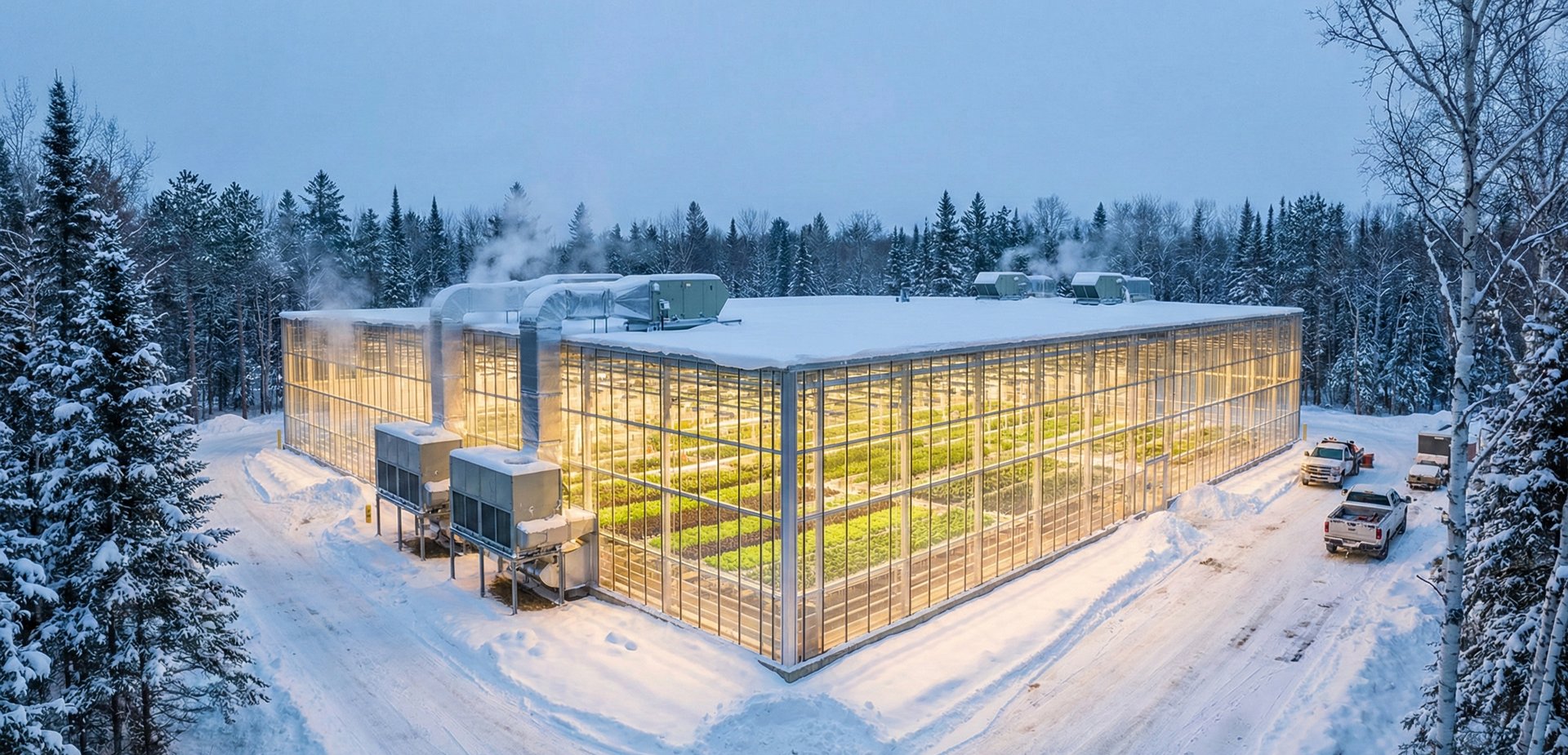
THE FUTURE OF AGRICULTURE. Cultivating Innovation. From Blueprint to Harvest.
Mission
To solve the world's most pressing agricultural challenges through real, innovative Controlled Environment Agriculture (CEA) solutions.
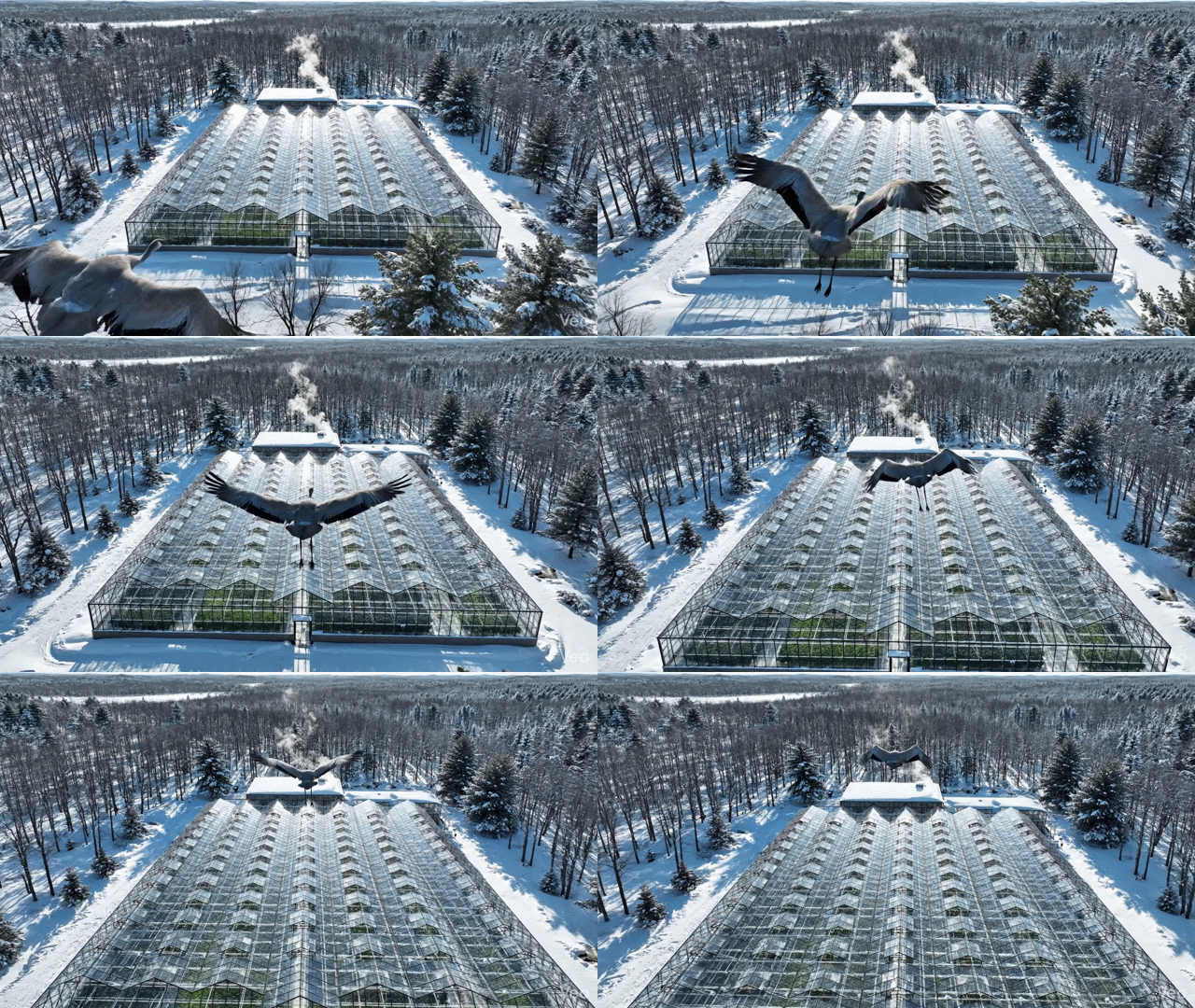
Rooted in our heritage, Whitebird Logistics bridges the gap from blueprint to operation, creating high-tech environments where fresh, nutrient-dense food thrives regardless of the climate outside.
Vision
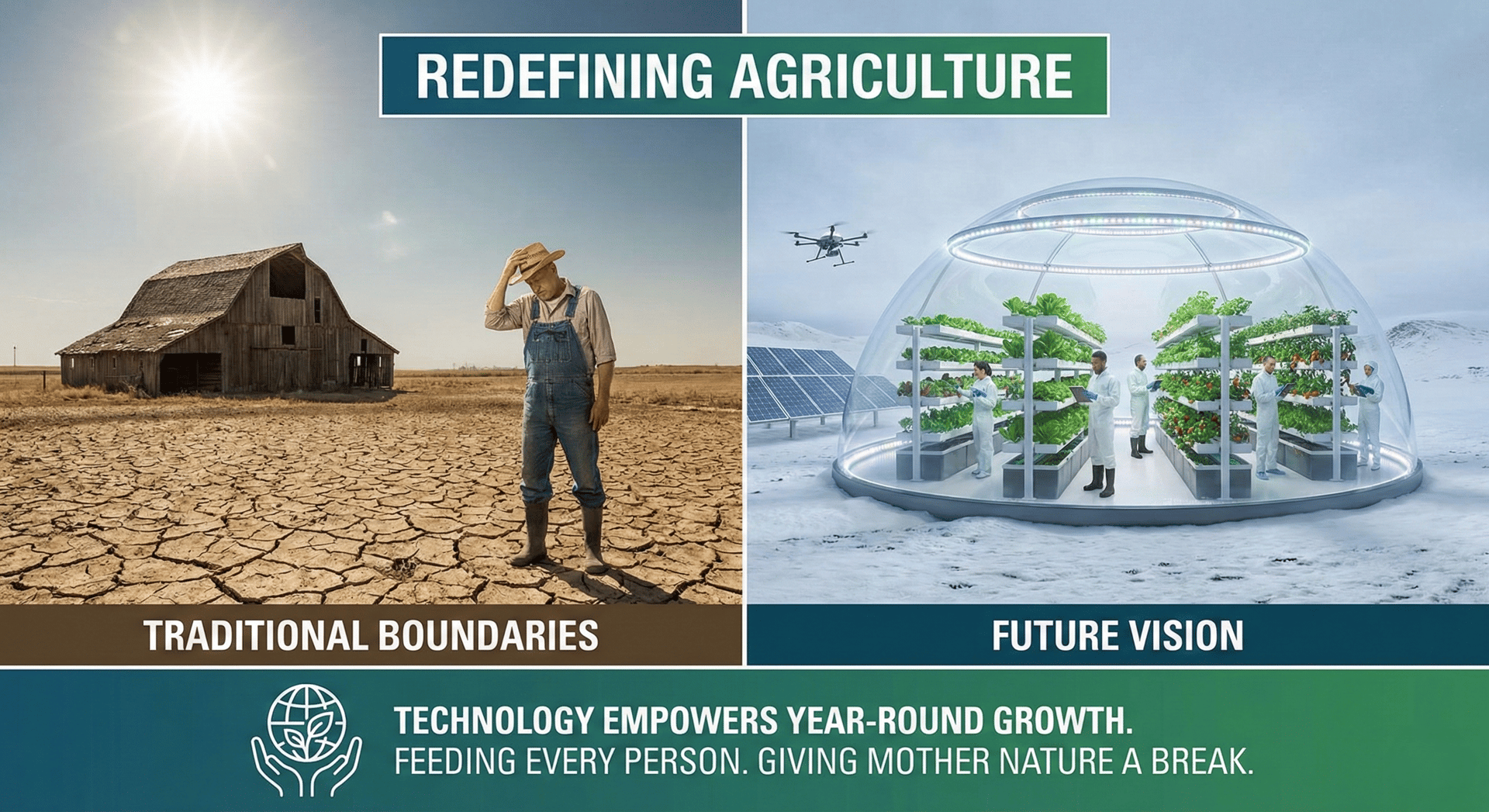
To redefine the boundaries of traditional agriculture.
We envision a world where every person has access to life-sustaining food, where technology empowers year-round growth in extreme environments, and where we finally give Nature the break it deserves.

Restoring the Balance:
Why We Step Indoors
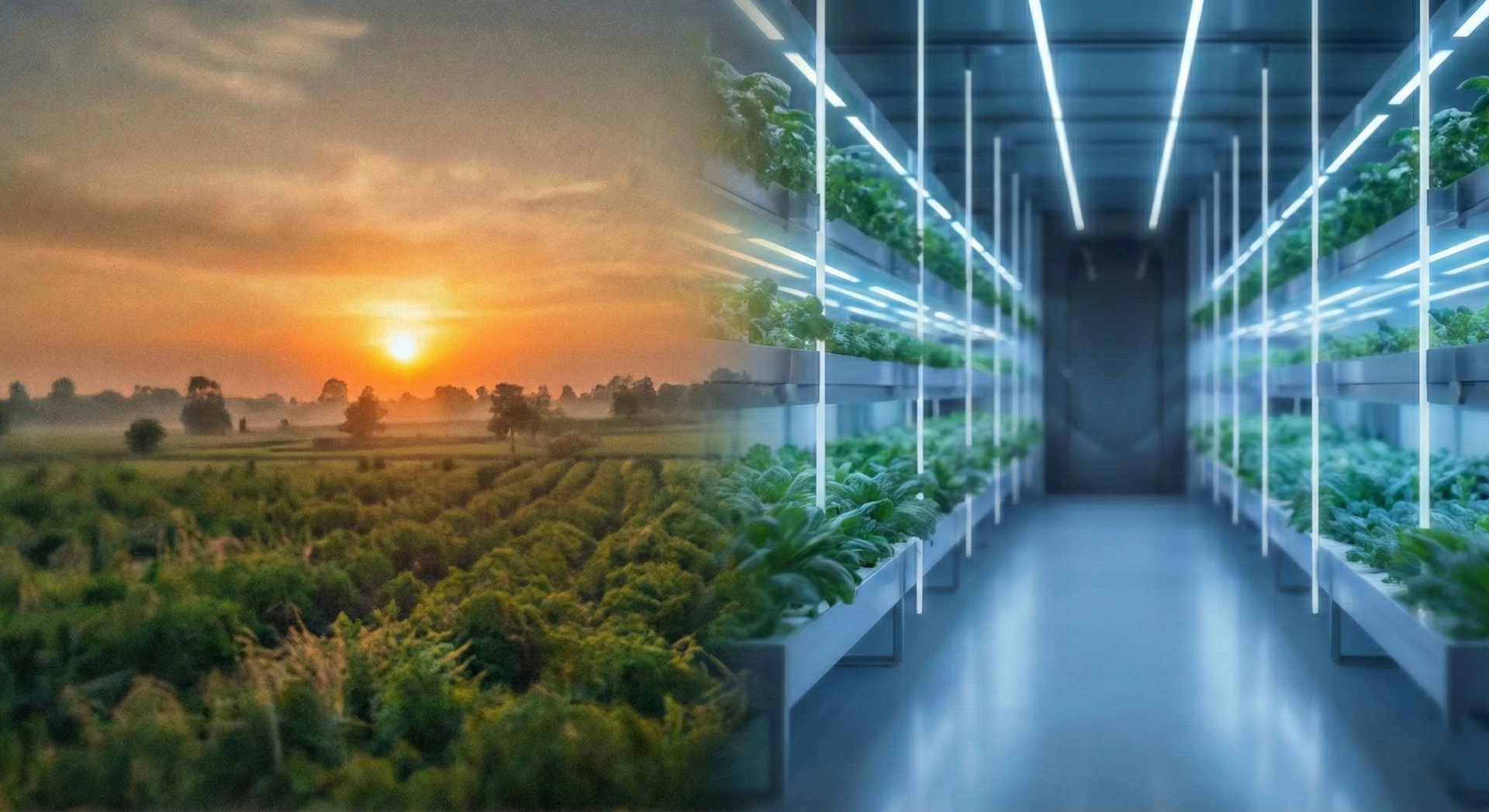
For centuries, traditional agriculture has asked more of the Earth than it can give. With projections suggesting that over 90% of global land will be degraded by 2050, we are facing a timeline that nature cannot outpace on its own. It can take a century to replenish just a few inches of topsoil—time the world doesn't have.
At Whitebird Agri-Logistics, our solution is a strategic retreat. By utilizing top-tier technology to build sustainable, indoor grow facilities in less habitable areas, we effectively relocate the footprint of farming. This transition gives Nature the space needed to breathe, allowing ecosystems above and below the soil to rebuild. We believe that when human innovation steps up, the Earth can finally step back and heal itself.
FEDERALLY VETTED & PROCUREMENT READY
Whitebird Logistics is fully registered to conduct business with the U.S. Federal Government and Tribal Nations.
Access our full contracting data, including CAGE and UEI codes, below.
Be Part of the Solution
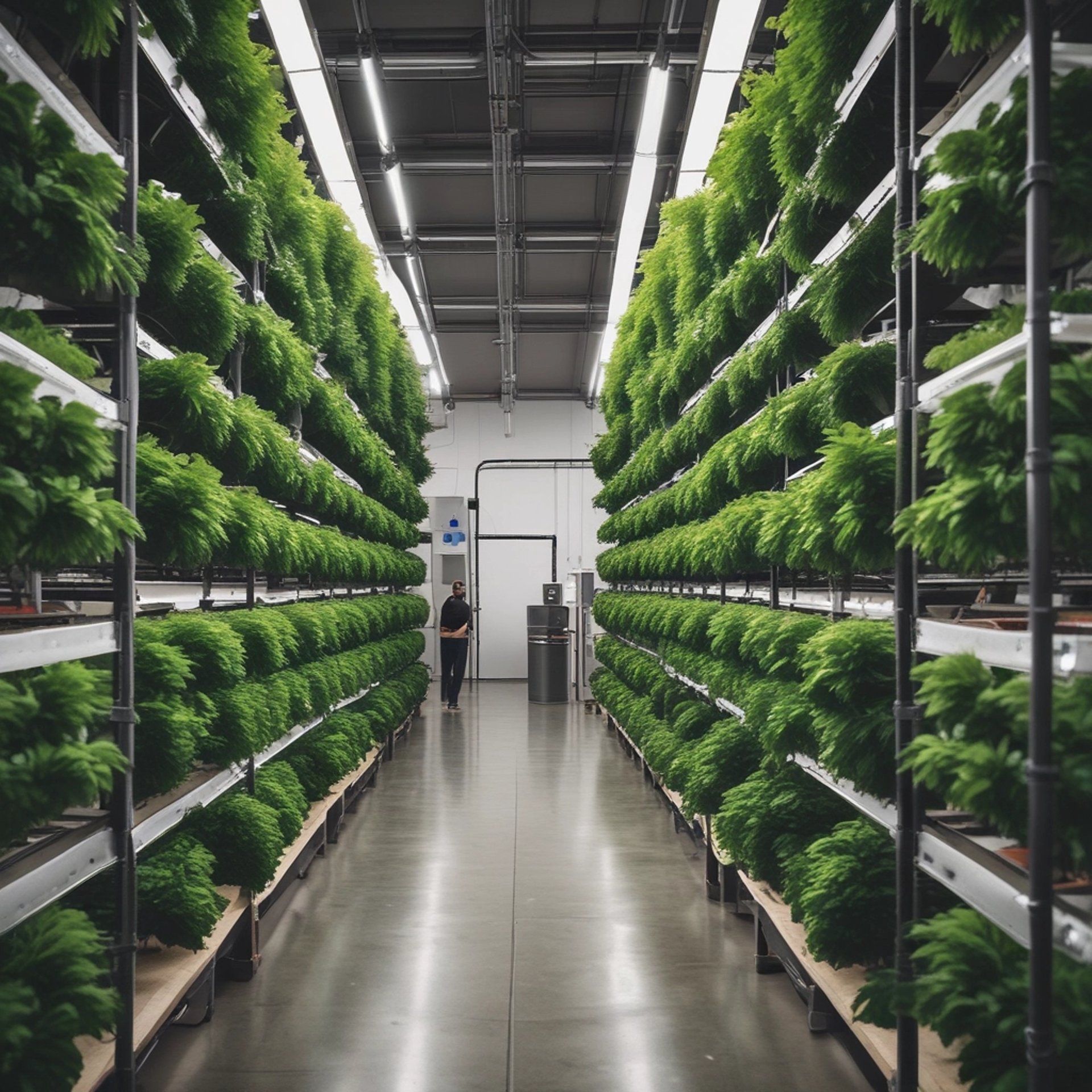
Get in touch with us for all your agri-logistics and consulting needs